Enterprise AI Agent Solutions for Intelligent Automation
To keep everything secure and fully under your control, we build smart AI agents for businesses. It can analyze the provided data, make decisions, and complete tasks automatically across your internal systems.
Discuss AI Agents Strategy
What Are Enterprise AI Agent Solutions?
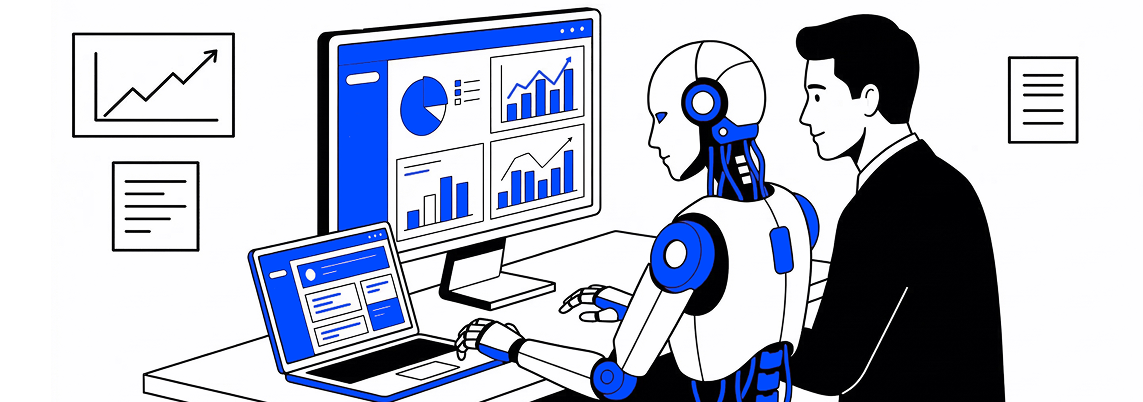
Enterprise AI agents are intelligent software programs that employ AI models to analyze circumstances, make decisions, and carry out tasks in various business applications and workflows.
These AI agents can think, use your company's data, and connect with multiple systems to accomplish tasks that typically require human coordination, in contrast to simple chatbots or fixed automation tools.
Enterprise AI agents can interact with your systems, retrieve the appropriate information, and take action, while adhering to your organization's rules, security, and governance policies, instead of merely responding to inquiries.
AI agents enable enterprises to maintain control over:
Decision-Making Aware Context
It understands the situation before determining the next course of action by examining context-specific risk signals and enterprise data.
System-Level Task Execution
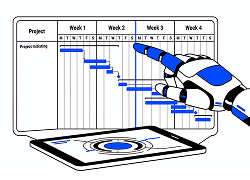
To check inventory and initiate a delivery request, an AI agent can take a new order, update your CRM, and use an API without human input.
Policy & Governance Compliance
It can update records or process orders to ensure that all operations are safe and regulated.
Scalable Operational Assistance
To help businesses with sales in lead tracking, support teams with customer inquiries, and HR with onboarding, AI Agent can play an essential role.
AI Agents Built for Enterprise Workflows
AI agents serve as the execution layer for making decisions based on intelligence within an enterprise AI architecture. Automatic AI links this intelligence to actual business operations in your systems.
AI understands and responds properly based on all the shared documents, databases, systems, and data locations related to your business.
The AI Agent extract relevant information from the company’s data and uses it to provide precise knowledge.
When your team asks the AI for recommendations or insights, it will evaluate your internal data and respond without sending any data outside of your system.
By coordinating how AI agents carry out tasks across various systems, this layer aids in the management of multi-step workflows, system interactions, and task execution.
The AI system manages security, traceability, and compliance by monitoring every agent action.
Enterprise AI Across Business Functions
When enterprise AI is integrated with various teams operations throughout the company, it adds value.

AI for Sales
AI supports sales teams with account insights, proposal drafting, CRM updates, and follow-ups—reducing manual work and accelerating deal cycles.

AI for HR
Support onboarding, policy queries, internal knowledge access, and employee assistance—while protecting sensitive workforce data.

AI for Operations
Automate operational workflows, cross-system coordination, reporting, and approvals to improve efficiency and reduce manual intervention.

AI for Finance
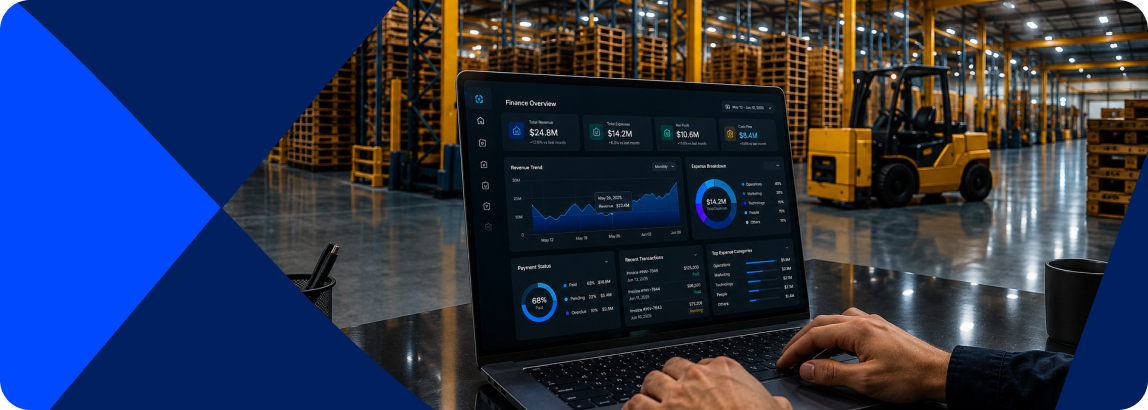
Assist with financial reporting, reconciliations, document analysis, and compliance checks under strict access control and auditability.

AI for Customer Support
Power support teams with faster issue resolution, knowledge access, ticket summarization, and omnichannel assistance—without exposing customer data externally.

AI for Supply Chain & Procurement
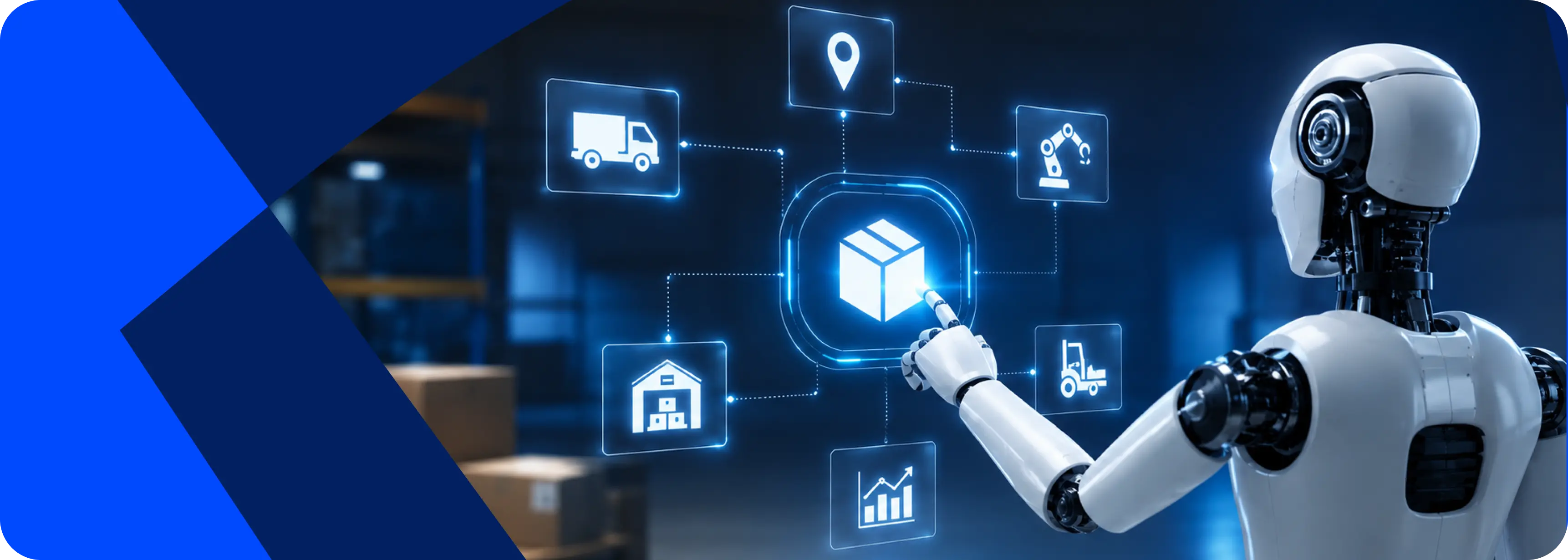
Transform your supply chain with AI-driven demand forecasting, procurement automation, inventory optimization, and supplier intelligence. Increase efficiency, reduce costs, and improve operational performance.

Agentic Automation for Scalable Operations

Operational Task Execution
Agents perform routine operational tasks such as data retrieval, updates, and system coordination.

Decision-Support Workflows
Agents assist teams by gathering context, analyzing information, and proposing recommended actions.

Cross-System Coordination
Agents interact with multiple enterprise applications to complete complex multi-step processes.

Human-in-the-Loop Processes
Agents escalate decisions, approvals, or exceptions to human operators when required.

Function-Specific AI Assistants
Agents support departments such as operations, finance, customer support, and IT.
AI Agent Platform Development Services
When deploying an enterprise AI agent, the most important aspect is careful planning. It is needed for scope, autonomy, and system integration.
Agent Scope & Responsibility Definition
The AI agent might not be able to access financial systems or authorize high-value transactions, but it might be permitted to send emails and update CRM records.
Autonomy & Escalation Boundaries
An AI Agent can manage routine tasks, such as updating records. However, it requires manager approval for significant actions, such as approving payments.
System Integration Architecture
Iconflux AI automation services secure integrations enable it to safely connect and function with enterprise apps, APIs, and operational systems across your business tools.
State Management & Context Handling
Automatic AI monitors the system and adjusts as tasks progress through various stages, continuity across multi-step workflows and changing task contexts.
Performance & Reliability
The AI process automation continues to manage tasks smoothly for multiple systems without slowing down or failing during peak business hours.
Scalability Across Teams & Use Cases
AI and automation systems can be used by sales, support, and HR teams for their respective tasks without requiring separate setups.
Observability & Operational Visibility
You can see the steps an AI agent under your vigilance can generate an outcome, and the reasoning behind its choice. It will help the respective team in a company understand and enhance the procedure.
Security & Governance in AI Agent Systems
AI agents necessitate strict governance due to their direct interaction with business systems and operational procedures.
Role-Based Access Control

Iconflux agentic workflow automation can only access authorized systems, data, and actions.
Human Oversight Mechanisms
This AI system can embed approval workflows and escalation controls into the agent operations.
Action-Level Logging & Traceability
Automatic AI captures detailed records of agent actions. Each activity can be monitored and audited as needed.
Policy Enforcement Across Workflows
It ensures all actions are consistent with company policies and regulations to maintain the system workflow systematically.
Monitoring for Misuse or Drift
This AI-driven process automation will detect abnormal activity, unexpected outcomes, or unsafe behaviours to avert the risks.
Operational Ownership & Accountability
Iconflux maintains clear responsibility for agent behaviour and system outcomes.
This governance ensures that AI agents remain accountable participants in enterprise systems.
When Enterprise AI Agent Solutions Are the Right Fit

Processes Span Multiple Systems
This implies that completing operational tasks often requires interacting with multiple platforms and applications.
Tasks Require Contextual Decisions
This implies that rules by themselves cannot determine what is right in every circumstance, particularly when circumstances are constantly shifting.
Manual Coordination Slows Workflows
When teams spend a significant amount of time on repetitive operational tasks, an AI Agent can handle them in a few clicks.
Automation Requires Flexibility
It changes inputs and evolving operational conditions rather than following predetermined steps.
Accountability and Oversight Are Required
To make AI actions traceable and governed within enterprise systems, so every action can be tracked and follow company rules.
Enterprise Workloads Continue to Grow
To manage growing workloads, organizations need scalable automation as their operations expand.
AI agents keep the system compliant and under control. It enables businesses to automate tasks while preserving governance and oversight.
Why Choose Iconflux for AI Agent Solutions?
Architecture-Led Agent Design
Agents are designed as part of a broader Enterprise AI architecture rather than isolated tools.
Our Blogs


Frequently Asked Questions

Ready to Build Your Enterprise AI System?
Whether you need a single AI agent or a full enterprise AI platform, Iconflux can help.


Tell Us About Your Project
We will get back to you within 24 hours.