Transform Supply Chain & Procurement with Enterprise AI
AI in supply chain & procurement helps businesses to improve demand forecasting, automate procurement workflows, optimise inventory, and streamline operations, all while working with your existing ERP, procurement, and supply chain systems.
Talk to Our AI Supply Chain Experts
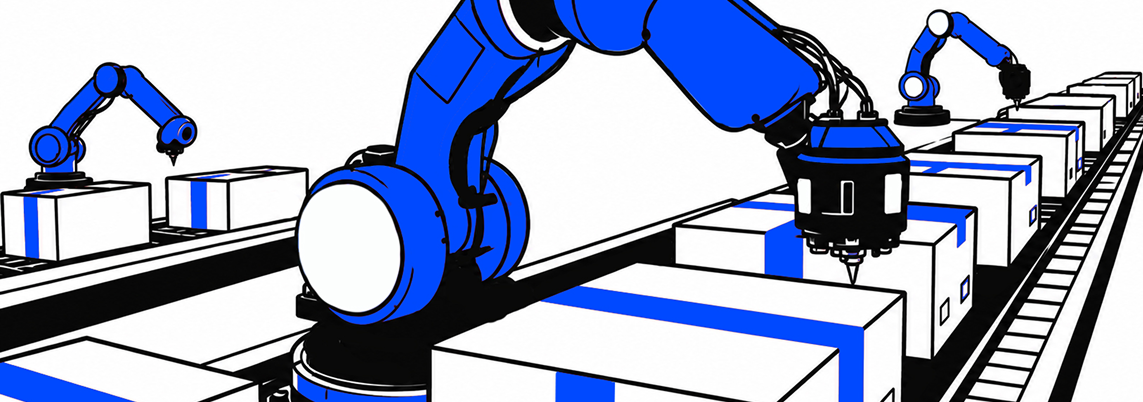
What Does AI in Supply Chain & Procurement Mean
It’s not new that managing modern supply chains is becoming complex day-by-day. For this,
businesses are striving really hard to strike a balance between procurement, inventory,
suppliers, warehouses, production planning, logistics, and quality control while responding to
changing customer demand. Therefore, as operations expand, businesses will require support
that backs them up in any unprecedented situation.
AI in  supply chain & procurement creates measurable business value.
AI systems can easily assess:

Demand patterns
Inventory levels
Supplier performance
Procurement history
Production schedules
Logistics data
Quality inspection records
Post-implementing  AI supply chain management, businesses can speed up planning
decisions, reduce operational risks, optimise procurement, and automate repetitive workflows.
Moreover, human-led AI and automation enable teams to work with greater accuracy, visibility,
and operational efficiency.
How Can AI Be Applied to Supply Chain & Procurement
AI-Powered Demand Forecasting

Use Case :
Enterprise AI can easily analyse historical sales, seasonal demand, market trends, production capacity, and external business signals that are used to generate accurate demand forecasts. This allows organisations to better align processes and plan while reducing forecasting errors.
KRA/KPI Impact :
Increases forecast accuracy, decreases stock shortages, reduces excess inventory, and improves production planning.
Generative AI Action :
Creates demand forecasts, planning summaries, inventory recommendations, and executive insights.
Inventory Optimisation Using AI
Use Case :
AI continuously monitors stock level movements, warehouse stock, supplier lead times, production schedules, and demand variability to optimise across multiple sites. Businesses can reduce carrying costs while ensuring material availability.
KRA/KPI Impact :
Improves inventory turnover, lowers carrying costs, reduces stockouts, and increases warehouse efficiency.
Generative AI Action :
Creates inventory suggestions, reorder recommendations, stock movement summaries, and alerts.
Intelligent Procurement Analytics
Use Case :
AI for Procurement analyses purchasing history, spending patterns, vendor performance, contract utilisation, and procurement workflows to identify cost savings and make better purchasing decisions.
KRA/KPI Impact :
Reduces procurement costs, improves purchasing efficiency, increases spend visibility, and enables strategic sourcing.
Generative AI Action :
Generates procurement reports, spend analysis summaries, supplier insights, and purchase recommendations.
AI-Based Supplier Selection & Evaluation
Use Case :
Enterprise AI evaluates suppliers based on delivery performance, price trends, quality history, compliance records, certifications, and operational risk indicators. This allows procurement teams to make objective supplier selection decisions.
KRA/KPI Impact :
Improves supplier quality, lowers procurement risks, increases supplier performance, and strengthens sourcing decisions.
Generative AI Action :
Creates supplier comparison reports, evaluation summaries, vendor scorecards, and risk assessments.
Purchase Requisition and PO Automation
Use Case :
AI workflow automation speeds up purchase requests, order creation, invoice matching, and purchasing documentation. In this, the agentic workflows automate repetitive tasks while making sure that things are governed well and compliant.
KRA/KPI Impact :
It reduces procurement cycle time, improves process consistency, reduces manual effort, and speeds up approvals.
Generative AI Action :
AI automatically generates purchase orders, approval summaries, communications, and workflow documentation.
What Are the Applications of AI in Supply Chain & Procurement
AI in supply chain helps businesses to improve overall planning, sourcing, supplier management, inventory control, and final decision-making. Here's how AI assists modern supply chain operations.

Demand Forecasting
AI analyses past and present demand, seasonal trends, production capacity, and external market factors to improve accuracy and aid proactive planning.
Inventory Optimization
AI supply chain management enables businesses to keep optimal inventory levels by balancing stock availability with changing demand and supplier turnaround time.
AI for Procurement
AI for procurement automates sourcing analysis, purchase planning, spend visibility, supplier evaluations, and procurement workflows, freeing up procurement teams to make strategic purchasing decisions.
Supplier Performance Monitoring
AI continuously monitors supplier quality, delivery performance, compliance, and operational risks to help improve supplier relationships and procurement decisions.
AI for Quality Control
AI in quality control analyses inspection data, production trends, and quality reports to detect defects early, improve consistency, and reduce waste throughout the manufacturing process.
Predictive Maintenance AI
Predictive maintenance AI examines equipment performance, sensor data, and maintenance history to detect potential failures before they disrupt production or supply chain continuity.
What Are the Benefits of AI in Supply Chain & Procurement
AI in supply chain allows organisations to streamline operations, automate routine tasks, lower purchasing risks, and gain a competitive edge.
Improved Demand Forecasting
AI encourages businesses to accurately predict customer demand, consequently improving production planning and reducing shortages and excess inventory.
Smarter Purchasing Decisions
AI for procurement explores suppliers, pricing trends, agreements, and purchasing history to maximise sourcing strategies and purchasing efficiency.
Reduced Manual Work
AI workflow automation reduces repetitive procurement, approval, documentation, and administrative workloads.
Improved Inventory Visibility
AI supply chain management allows effective visibility into inventory, warehouses, logistics, and supply chain performance.
Better Supplier Management
AI allows companies to assess suppliers more objectively by looking at the numbers, quality, delivery, compliance, and risk control.
Improved Operational Efficiency
AI and automation help firms to simplify supply chain workflows, reduce operational delays, encourage cooperation, and boost overall productivity.
How AI Works in Enterprise Supply Chain Environments

Integration with Existing Enterprise Systems
AI can work with ERP systems, procurement software, warehouse management systems, MES platforms, inventory applications, supplier portals, and quality management solutions without replacing existing infrastructure.
Access to Operational Data
AI systems use purchasing records, stock information, supplier details, warehouse operations, production schedules, logistics activities, and quality inspections to generate actionable business insights.
Better Data-Driven Decisions
AI in supply chain management provides situational insights based on enterprise operational data, rather than generic recommendations.
Workflow Automation and Coordination
AI workflow automation accelerates purchasing approvals, authorisations, order fulfilment, supplier communication, quality reporting, and operational coordination.
Continuous Learning and Improvement
AI is constantly improving as it learns from procurement performance, inventory movement, supplier behaviour, operational outcomes, and production data.
AI Services That Optimize Your Supply Chain & Procurement
Build a more resilient supply chain with AI that improves demand forecasting, optimizes procurement, enhances inventory visibility, and streamlines supplier management. Increase operational efficiency, reduce costs, and make faster, data-driven supply chain decisions.
AI Agents
Build intelligent AI agents that automate financial inquiries, invoice approvals, reporting, compliance checks, and finance team assistance.

RAG Solutions
Enable finance teams to instantly search financial policies, ERP records, invoices, audit documents, and compliance knowledge using AI-powered retrieval.

AI Automation & Intelligent Workflows
Automate invoice processing, expense approvals, financial reporting, reconciliations, and repetitive finance workflows with intelligent AI.

Self-Hosted LLM
Deploy secure AI that protects sensitive financial records, accounting data, customer transactions, and enterprise financial information while maintaining complete control over your AI infrastructure.

Data Engineering
Connect AI with ERP systems, accounting software, payroll platforms, CRM, and financial databases to deliver accurate, real-time financial insights.

MLOps & AI Infrastructure
Deploy, monitor, and scale AI-powered finance solutions with enterprise-grade infrastructure, governance, security, and continuous optimization.


Why Iconflux
At Iconflux, we create AI-powered supply chain solutions that combine flawlessly with your existing procurement, manufacturing, and enterprise operations.
Built on Existing Supply Chain Workflows

Our AI solutions work perfectly with ERP systems, procurement platforms, warehouse supplier relationship management software, inventory systems, and applications.
Powered by Enterprise Operations Data
AI supply chain management is most effective when associated with procurement records, inventory movement, supplier performance, production operations, and enterprise workflows.
Focused on Real Supply Chain Challenges
We develop practical AI solutions for automated processes, inventory optimisation, supplier intelligence, demand forecasting, predictive maintenance AI, and AI quality control.
Secure and Governed by Design
Each solution includes enterprise-level network access, assurance, governance, auditability, and secure data management.
Built on Existing Supply Chain Workflows
Our AI solutions work perfectly with ERP systems, procurement platforms, warehouse supplier relationship management software, inventory systems, and applications.
Powered by Enterprise Operations Data
AI supply chain management is most effective when associated with procurement records, inventory movement, supplier performance, production operations, and enterprise workflows.
Focused on Real Supply Chain Challenges
We develop practical AI solutions for automated processes, inventory optimisation, supplier intelligence, demand forecasting, predictive maintenance AI, and AI quality control.
Secure and Governed by Design
Each solution includes enterprise-level network access, assurance, governance, auditability, and secure data management.
Our Blogs
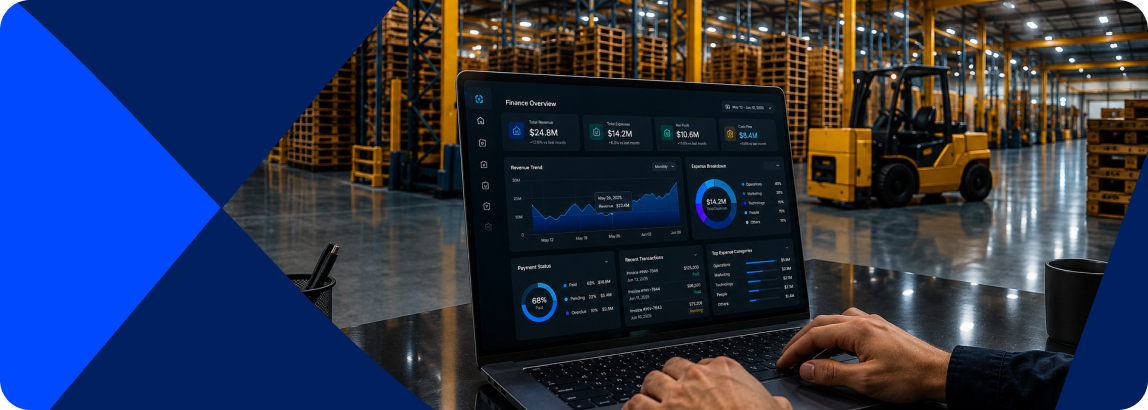


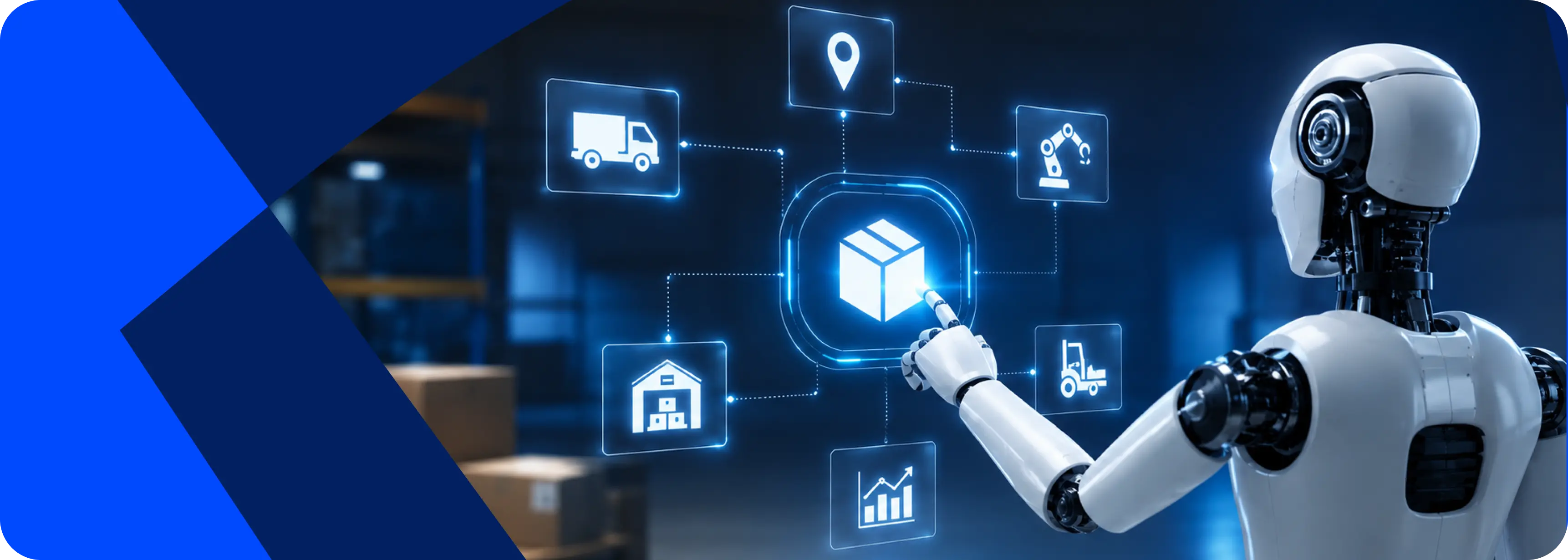
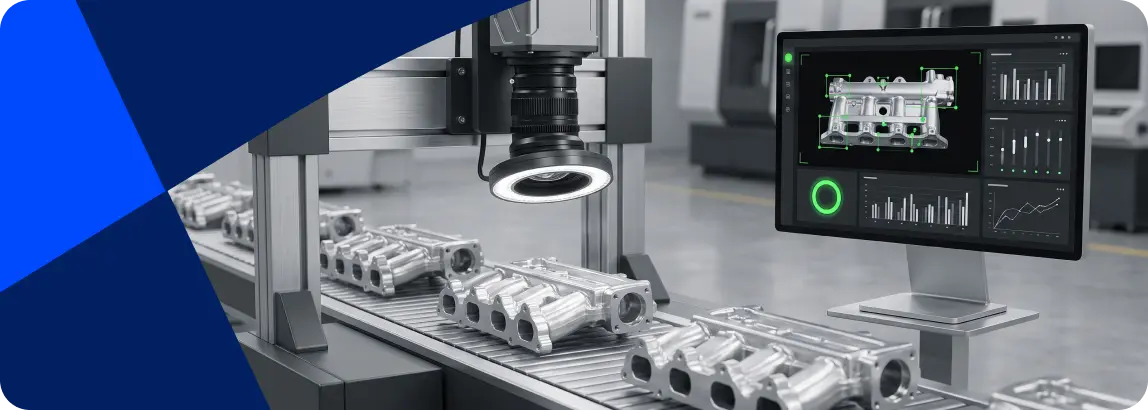
Supply Chain Powered by Better Intelligence
Businesses can use artificial intelligence in the supply chain to automate sourcing, optimise inventory, strengthen supplier decisions, improve operational visibility, and create more adaptable supply chain operations at scale.
Frequently Asked Questions


Tell Us About Your Project
We will get back to you within 24 hours.